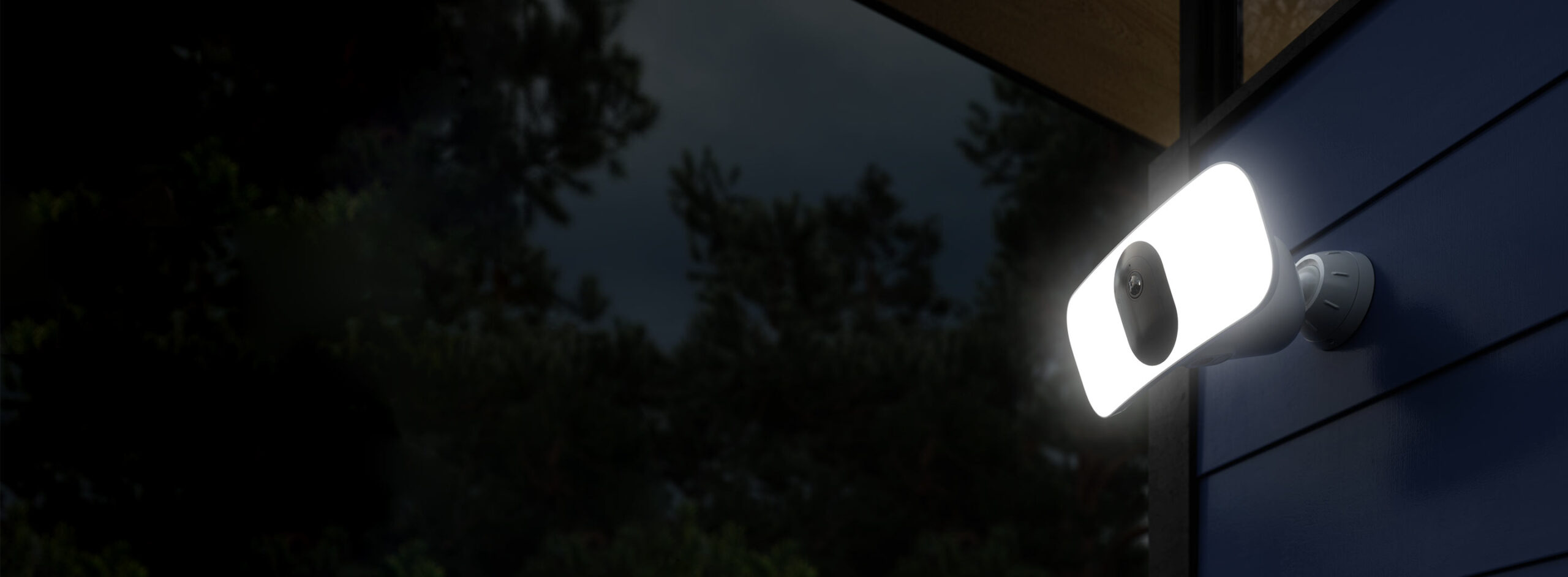
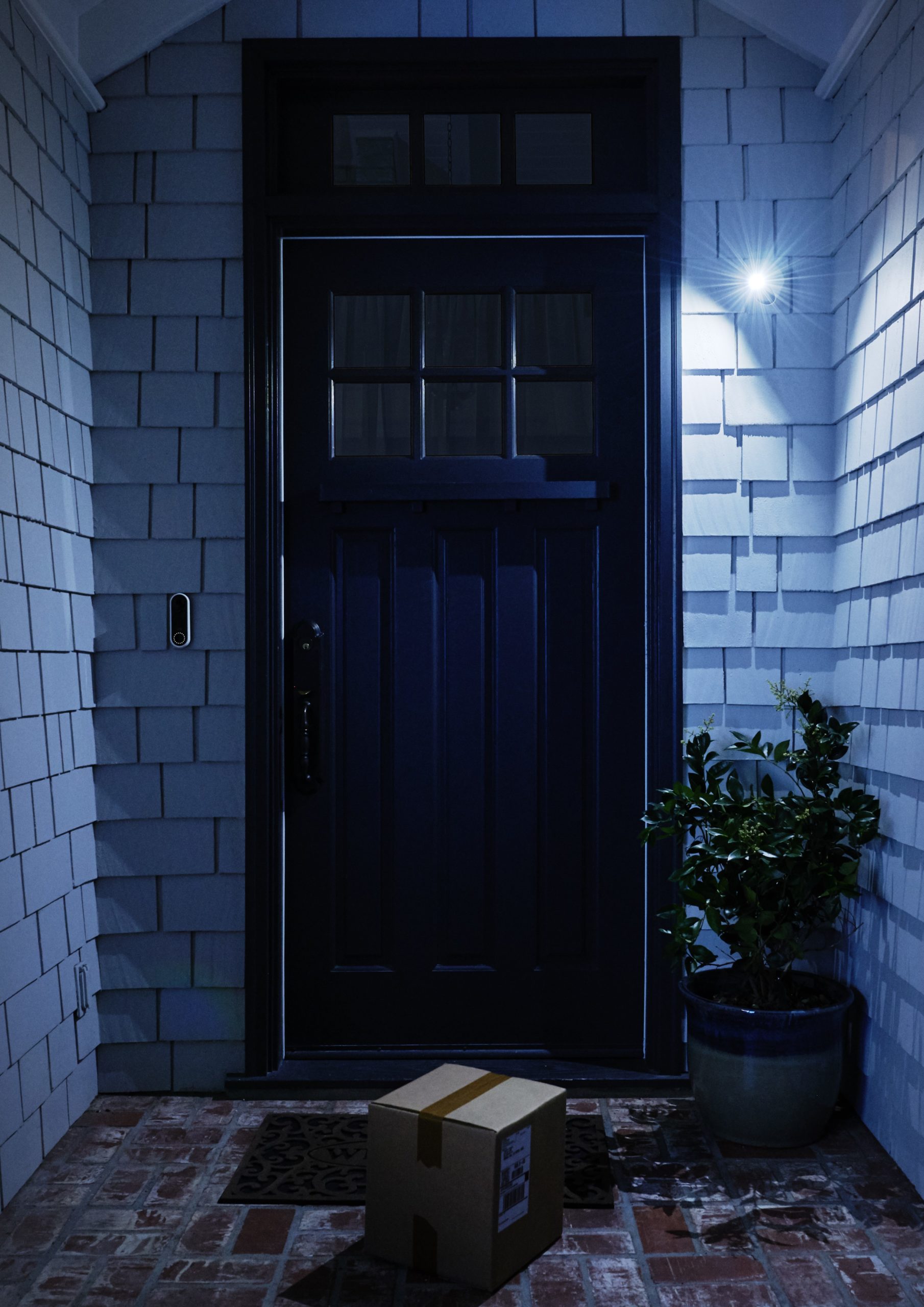
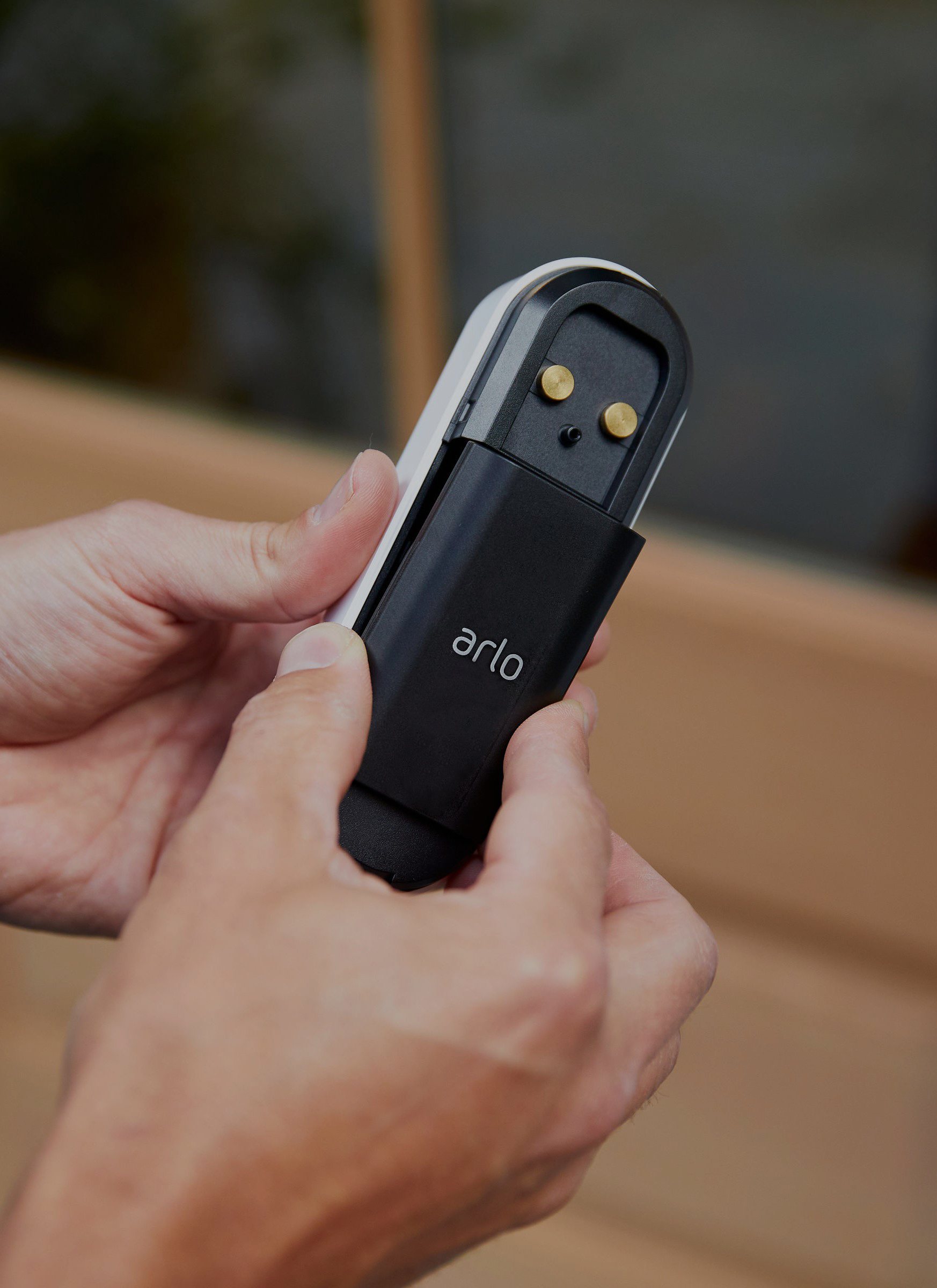
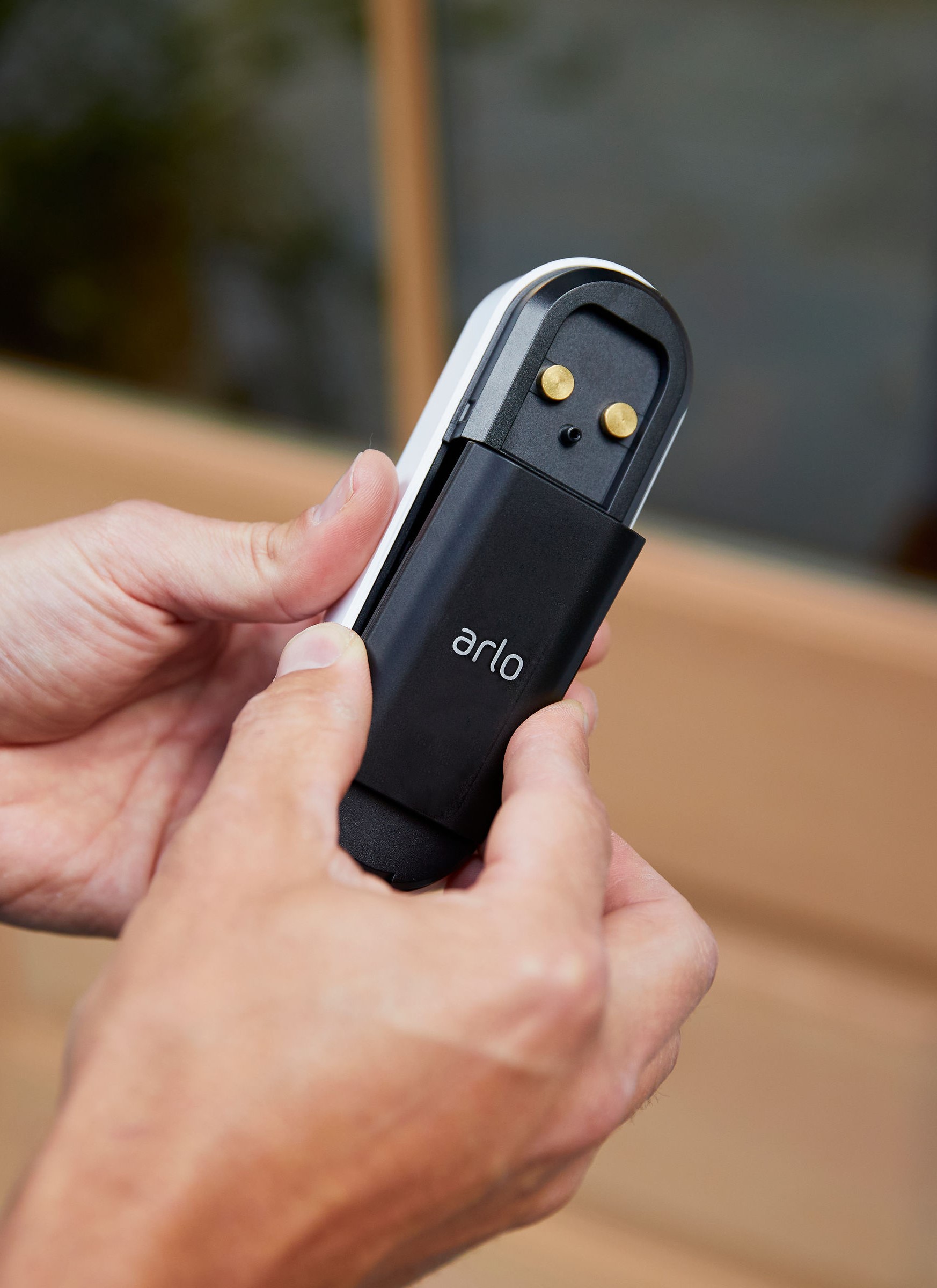
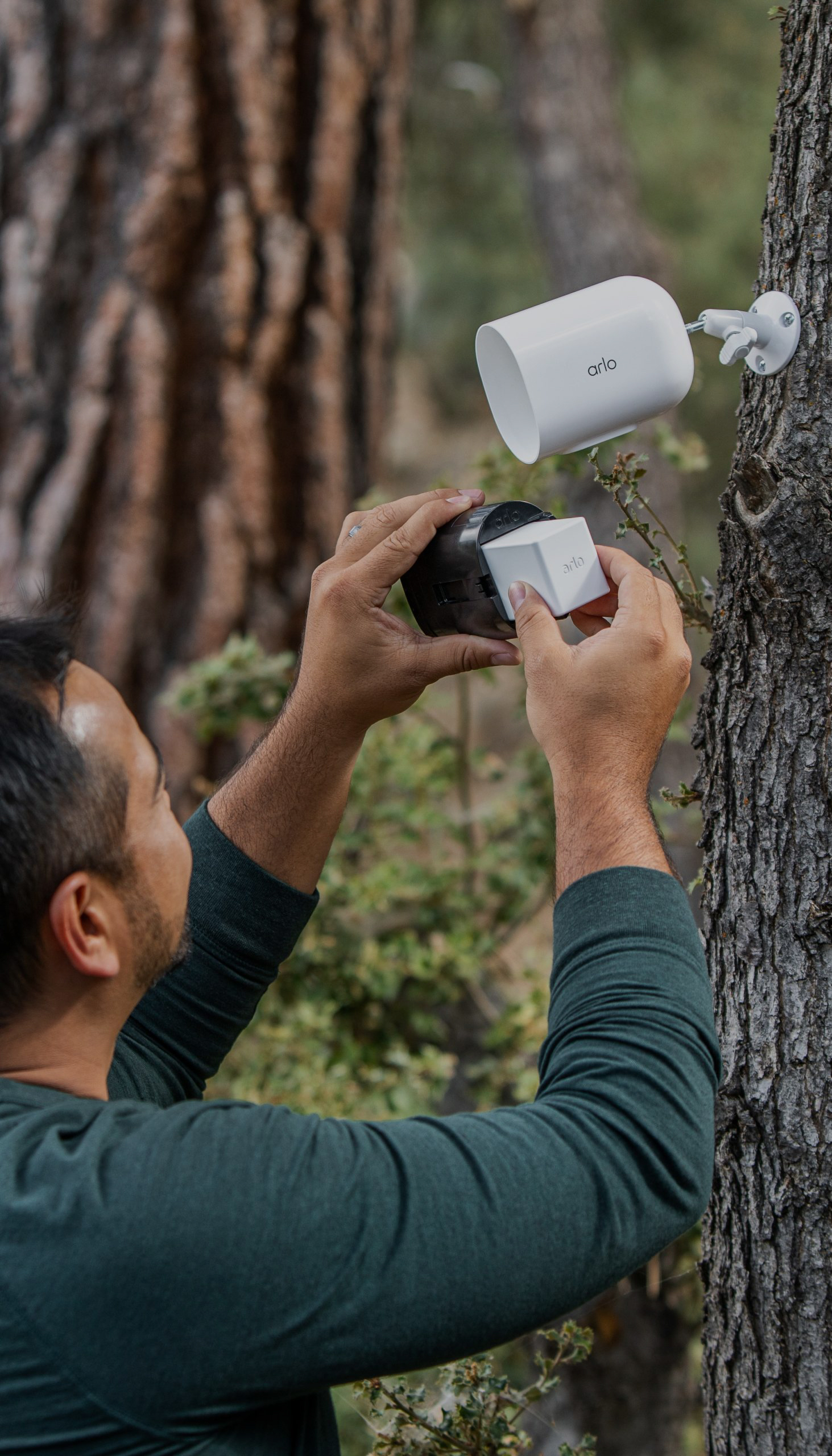
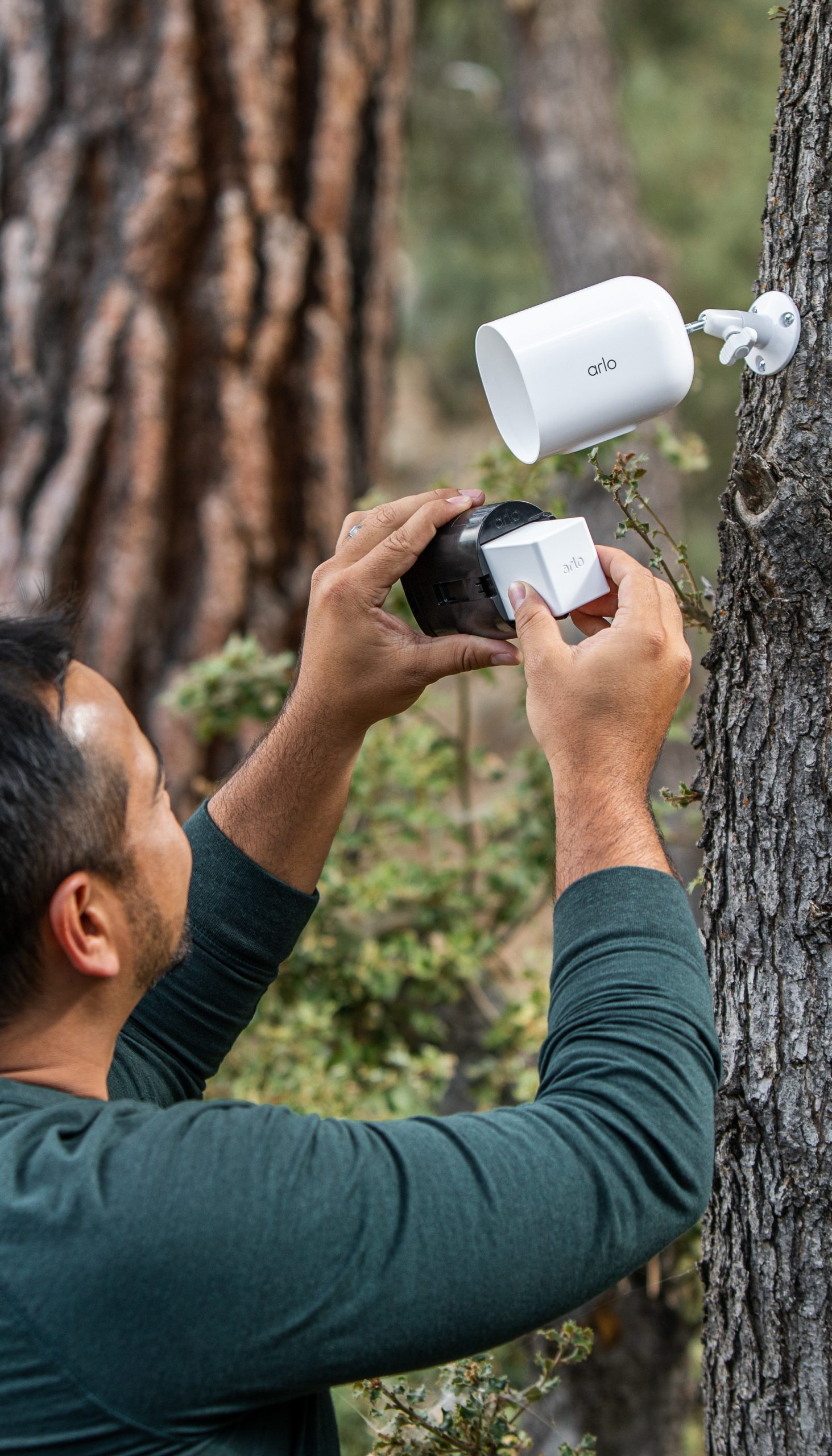
What’s better, a wired or wireless floodlight? Neither is inherently better, it depends on your home and needs. Renters and people who don’t want to deal with involved installation may choose a wireless floodlight because they’re easy to install — no need to drill walls or mess with cables. But wired floodlights don’t need batteries and if they don’t run on Wi-Fi can be great for remote areas. Why choose a floodlight over a regular security camera?Plenty of security cameras have night vision and some even come with an integrated spotlight. But a floodlight is a great choice if you have really low-light areas around your home. Think an unlit alleyway with a gate or a garage entrance. Or maybe you live on a street without lights and need the extra illumination. How bright is the Arlo floodlight? Can I adjust the light? Both the wired and wireless Arlo floodlights deliver 2,000 lumens. The wireless floodlight can offer up to 3,000 lumens when connected to a charging cable. What’s the difference between color night vision and infrared vision?Color night vision amplifies existing light from its built-in motion-activated spotlight and/or from the environment (neighboring homes, streetlamps) to create a daylight-like full-color image. Infrared cameras emit infrared light and then use it to create a black-and-white image. Color night vision is often better for helping identify key details like the color of someone’s clothes or vehicle. But infrared cameras are great for areas with very little light. Do I need a junction box for a floodlight camera?For wired floodlights, yes. For example, the Arlo Wired Floodlight needs a 100-240V AC 50-60 Hz hardwired power source. To protect against the elements, you’ll need to enclose the exposed wires coming out of your wall in a junction box. If you’re a renter or aren’t interested in all the extra steps, a wireless floodlight is the way to go. |