Understand how infrared and night vision technology is used in security cameras.
Read Now
Home Security Tips
Share:
Key takeaways
Infrared and night vision are often used interchangeably to describe security cameras that can see in the dark, but they’re in fact different things.
Infrared is a type of light wave that’s not visible to the human eye.
Night vision refers to a camera’s ability to generate an image in low light.
Night vision cameras can use infrared light and other existing light in the environment to “see” in the dark.
Thermal cameras are often called “infrared cameras” but have a different purpose and are not as useful in home security applications.
Night vision vs infrared: The basics
There’s plenty of confusion around night vision vs. infrared cameras.
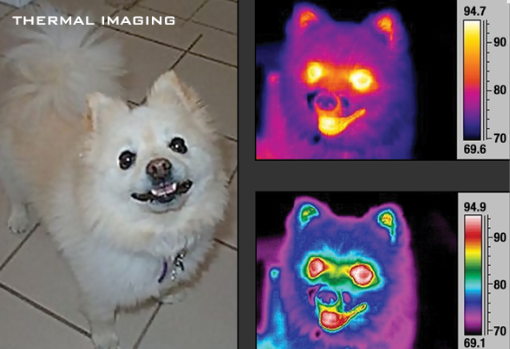
When most people talk about infrared they are really referring to thermal cameras which render the surreal-looking footage you may have seen on wildlife cameras in the news. Any objects that give off heat (like animals and people) will show up in a warm-toned red-yellow glow, like in the image below.
A dog seen through the lens of a thermal camera. Source: NASA/JPL
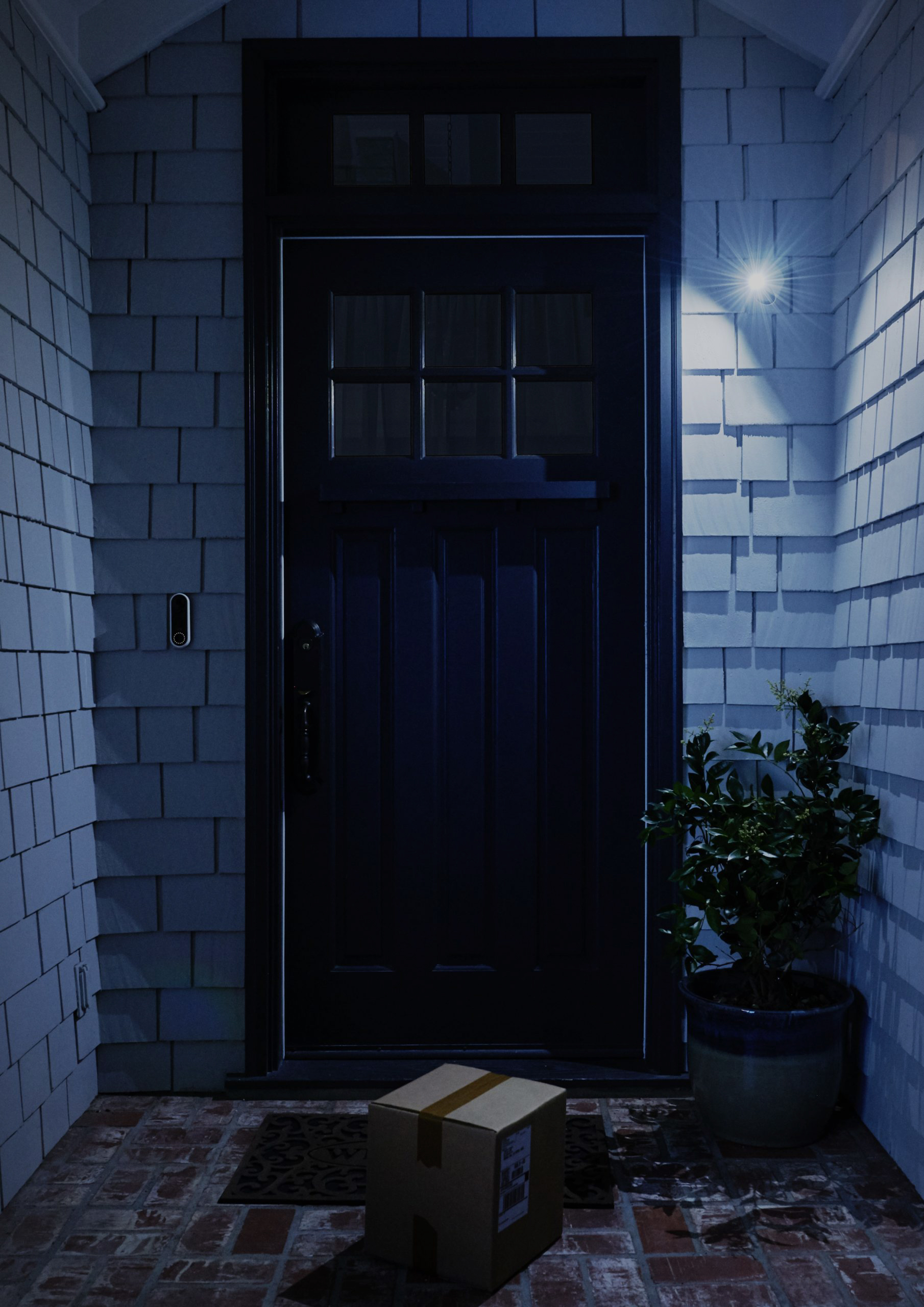
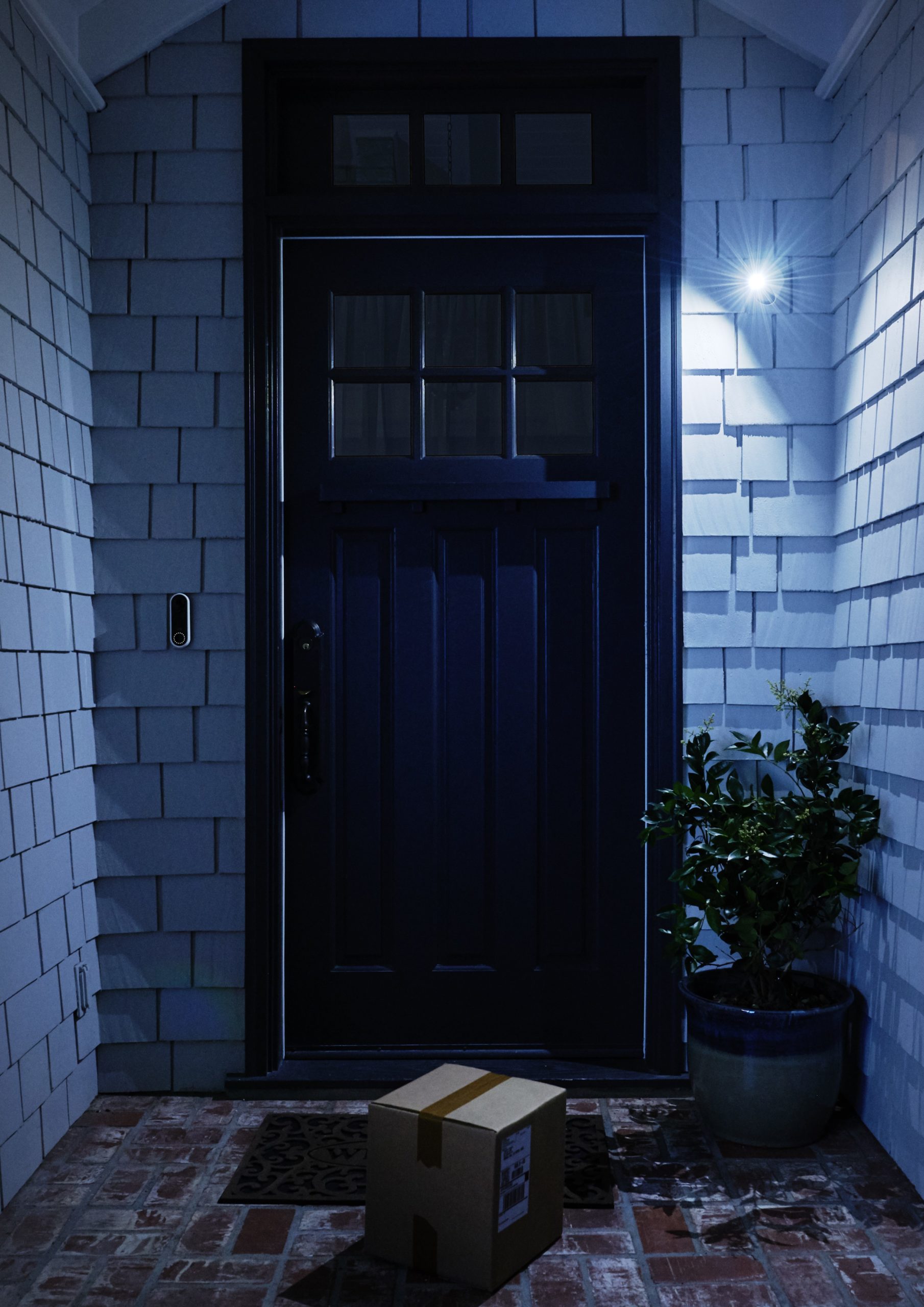
Color Night Vision with an Arlo Pro 6 camera
What is infrared?
Infrared light is a type of electromagnetic radiation. It’s invisible to humans, (unlike visible light), but we can detect it as heat. Cameras and night vision devices use sensors to detect this “light” and render an image.
Both thermal cameras and night vision use infrared light.
Thermal cameras use it to capture heat signatures — the thermal energy emitted by objects. Night vision cameras sometimes emit infrared light to help them amplify existing light.
How thermal cameras work
Thermal cameras “see” infrared light (in other words, heat) and render an image based on the temperature difference between objects in the frame. Animals, people, and objects that give off thermal energy (like running vehicles) show up in a bright warm-toned glow, while other objects appear in darker, cooler tones.
Thermal cameras are almost never used for home security these days.
While a thermal camera can help you figure out if someone is there, you won’t be able to tell what they’re wearing very well, or what the color of their car is. This makes it hard to identify potential porch pirates or suspects lurking around your home.
However thermal cameras are very useful for a wide variety of other applications:
Ensuring health and safety (thermal cameras are being used to detect fever)
Testing equipment in public utilities and civil engineering
How night vision works
Night vision cameras work by amplifying existing light, including moonlight, starlight, and lights from the surrounding homes to create a more realistic-looking image.
They can also use infrared light to help them “see” in low-light conditions.
Some security cameras and floodlights, including the Arlo Pro 6, use advanced sensors and an integrated spotlight to generate an even more realistic-looking image, with high-contrast, high-resolution colors, perfect for capturing details. This is referred to as color night vision and is particularly useful for home security.
Night vision vs color night vision
When it comes to home security, details like license plates, color of clothing and vehicles, and the ability to see logos is important and can help law enforcement identify a potential suspect.
That’s why when given the choice, most people go with color night vision. Cameras that come with integrated spotlights tend to provide the best result for seeing colors in high contrast.
Best color night vision cameras from Arlo
All Arlo cameras come with Color Night Vision, but in terms of visibility and contrast, Arlo Ultra and Arlo Pro 6 stand out.
Arlo Ultra
Arlo Ultra has 4K HDR video as well as enhanced Color Night Vision capabilities, giving you a crisp, high-contrast image both by day and night.
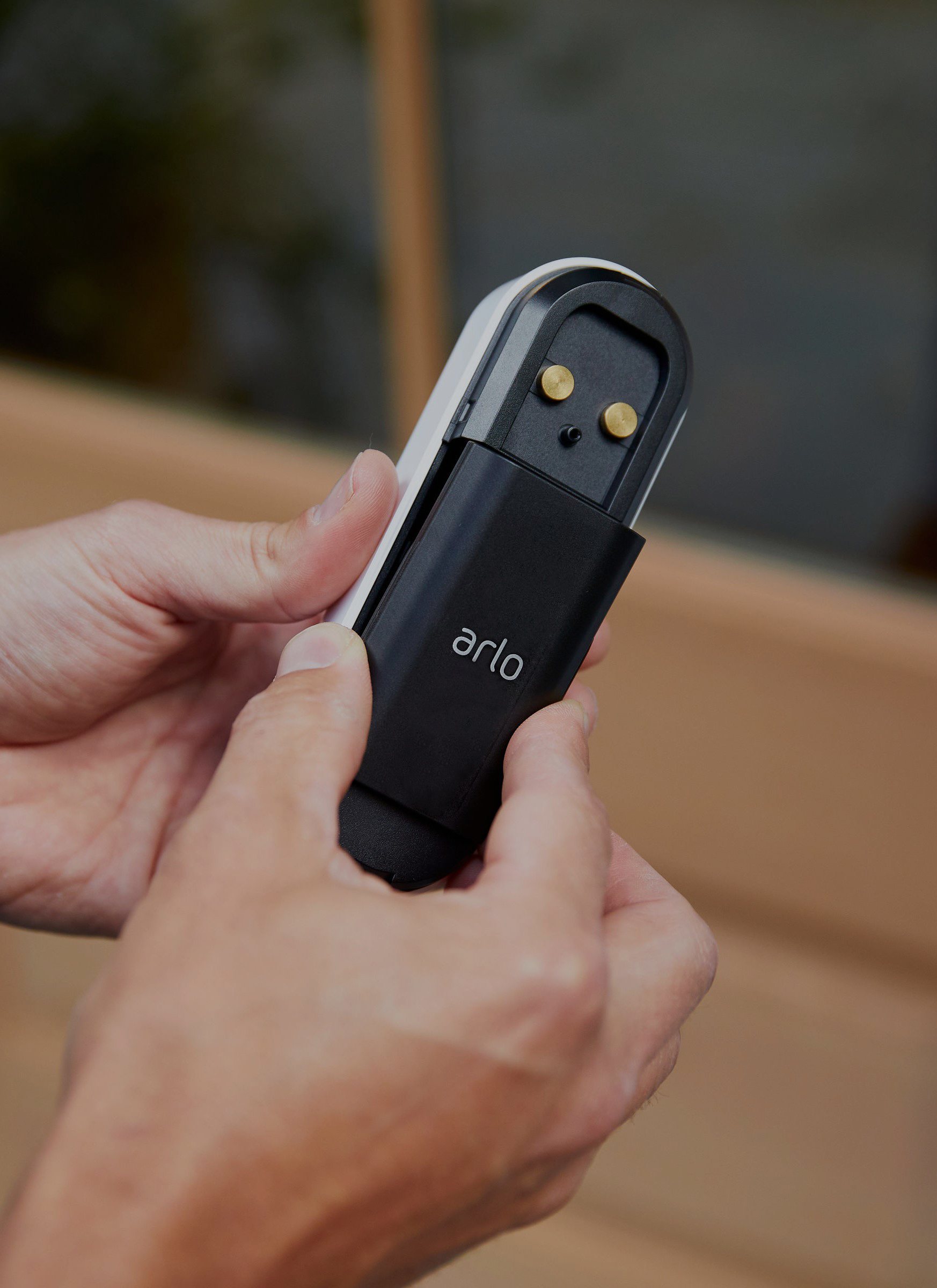
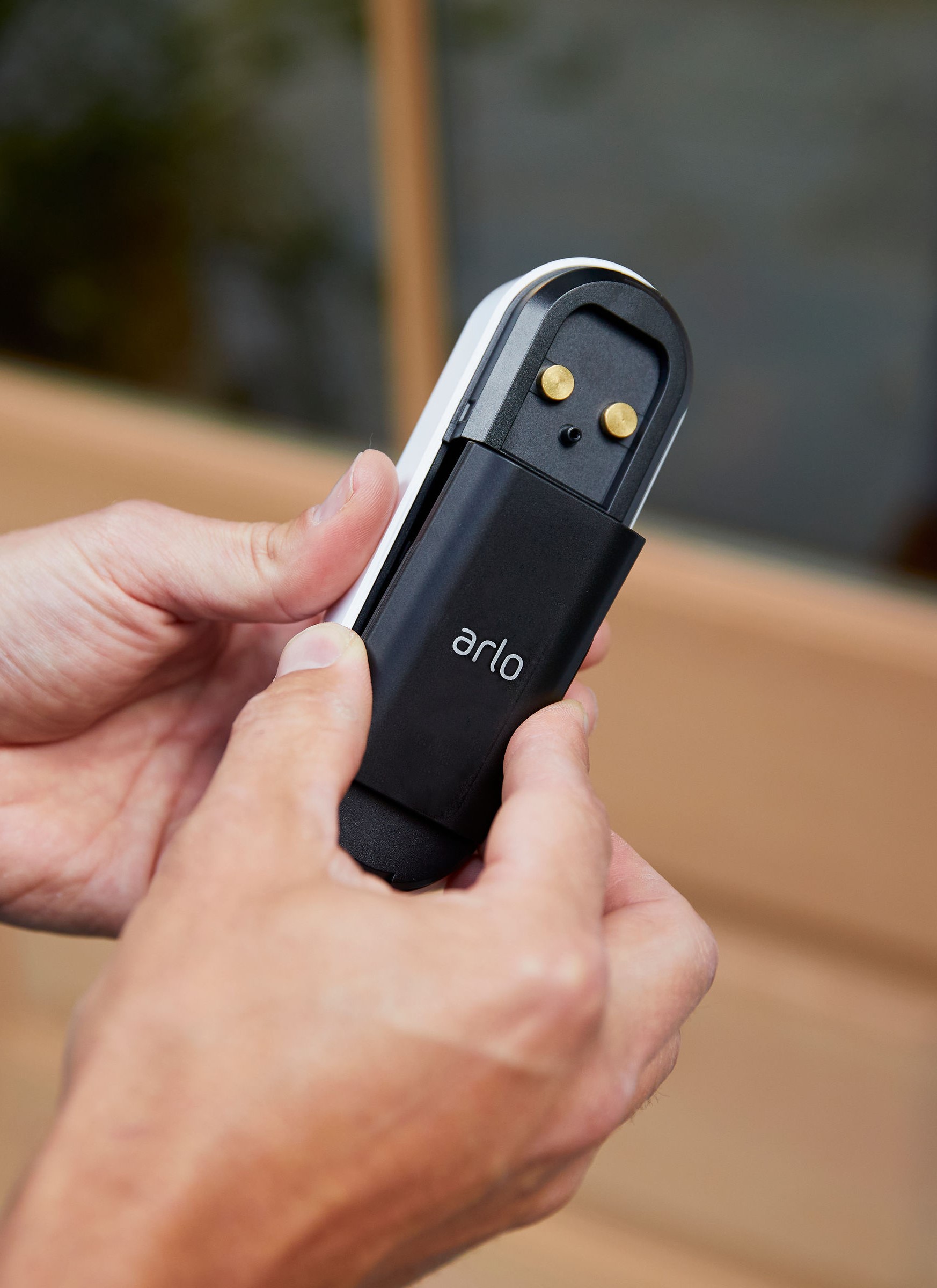
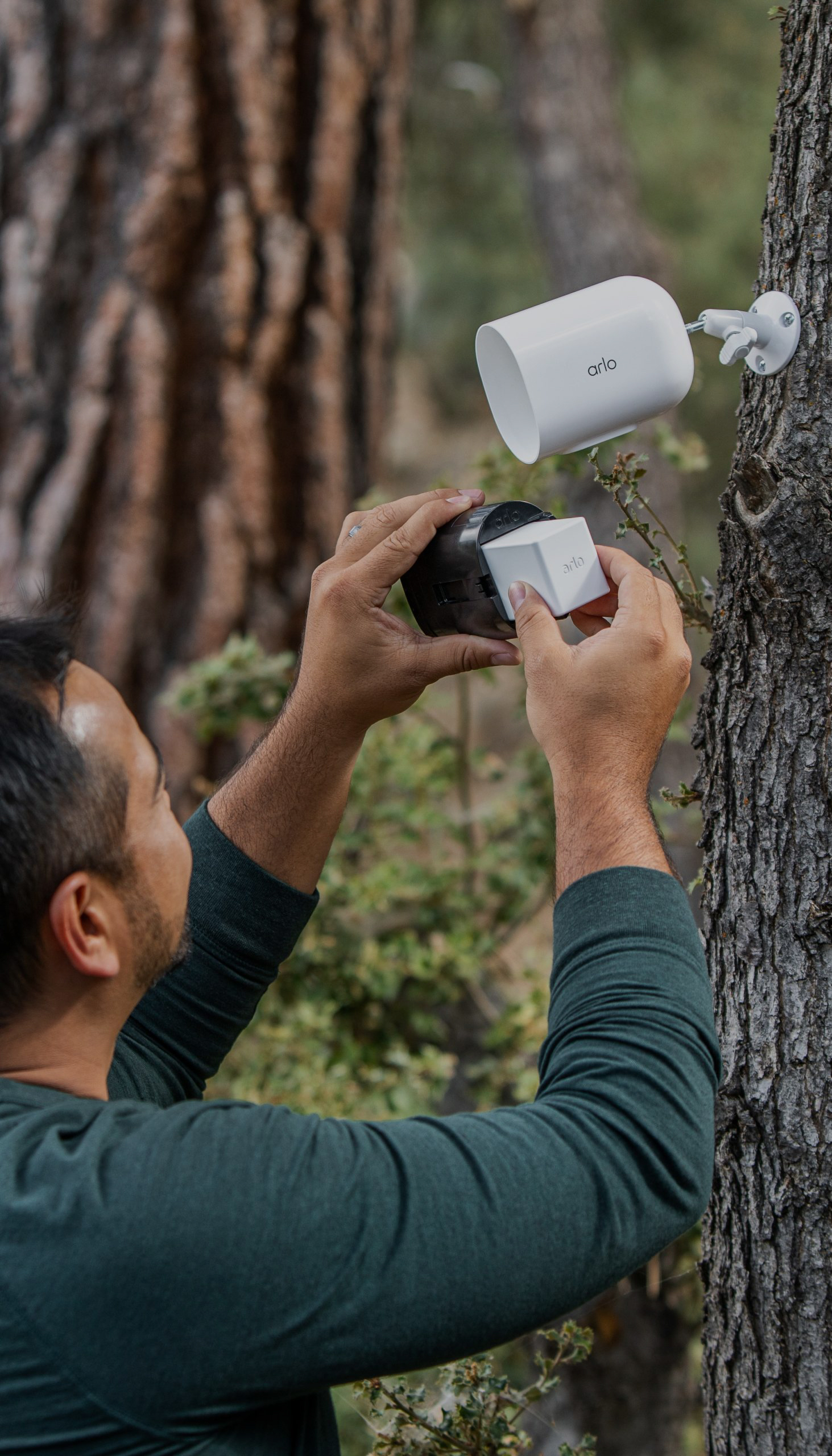
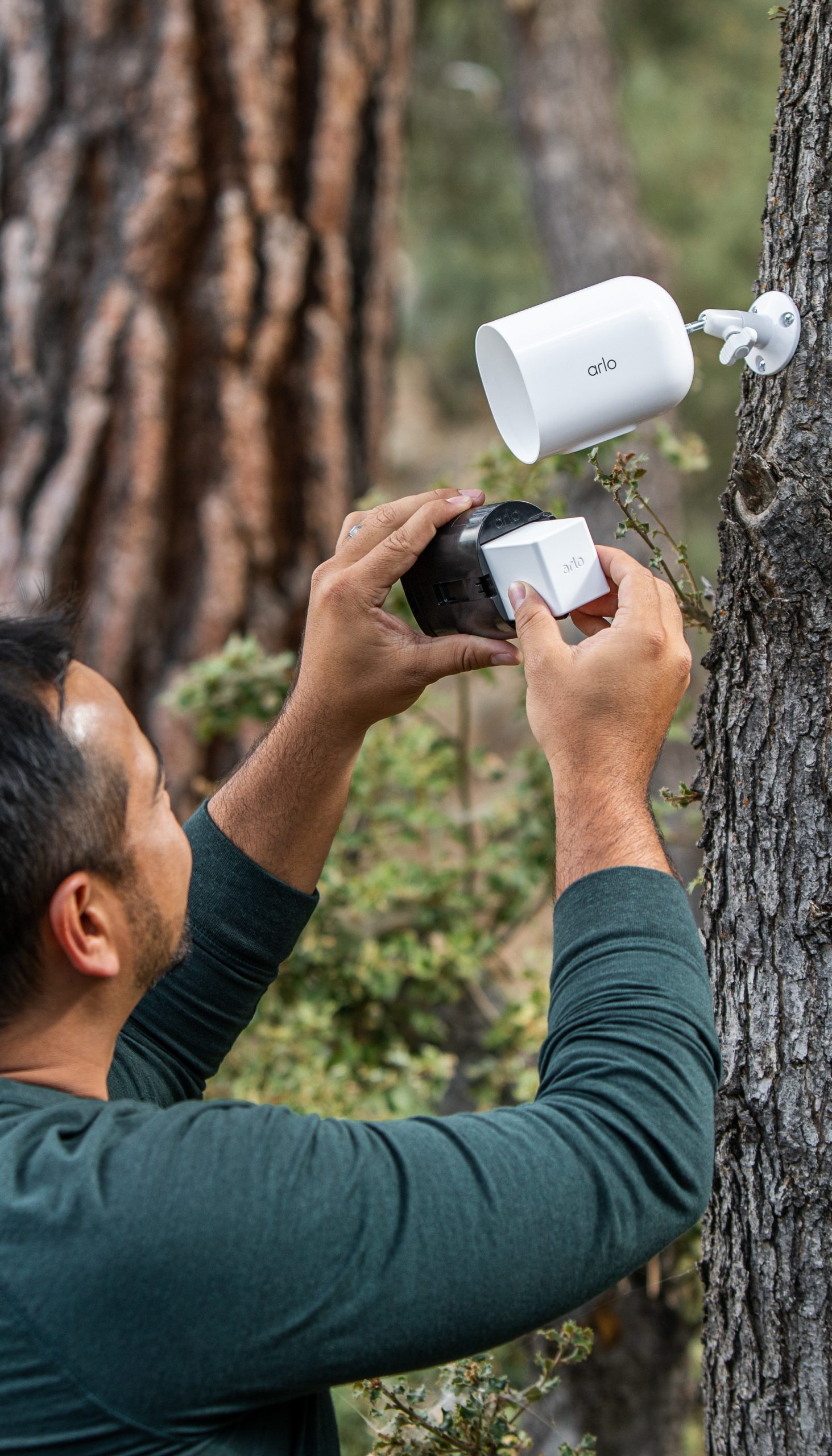
With 2K HDR and Color Night Vision, the Arlo Pro 6 is one of our best selling Color Night Vision cameras, thanks to easy setup and convenient removable batteries.
What’s better for an outdoor security camera, infrared or night vision?
Look for cameras with night vision capabilities that use infrared light, not thermal cameras, which will result in an unnatural looking image. When choosing between night vision vs. color night vision, most people find that having a camera with a spotlight gives better results.
Should I choose a black and white, or a color night vision camera?
Color night vision cameras often require a spotlight, which can scare off an intruder and give you a better look at who they are.
But if you’re selecting a home camera for wildlife watching, a black and white camera will not require a spotlight and won’t disturb woodland creatures.
Can night vision work in complete darkness?
Typically night vision cameras require at least some ambient light to work properly. If you’re in an area with no streetlights, choose a floodlight camera or one with an integrated spotlight. The light on the camera will then serve as the “ambient light” required for night vision to work.