Key Takeaways
Renter’s insurance protects what landlords don’t: your things.
Affordable renter’s insurance coverage can bring lasting peace of mind.
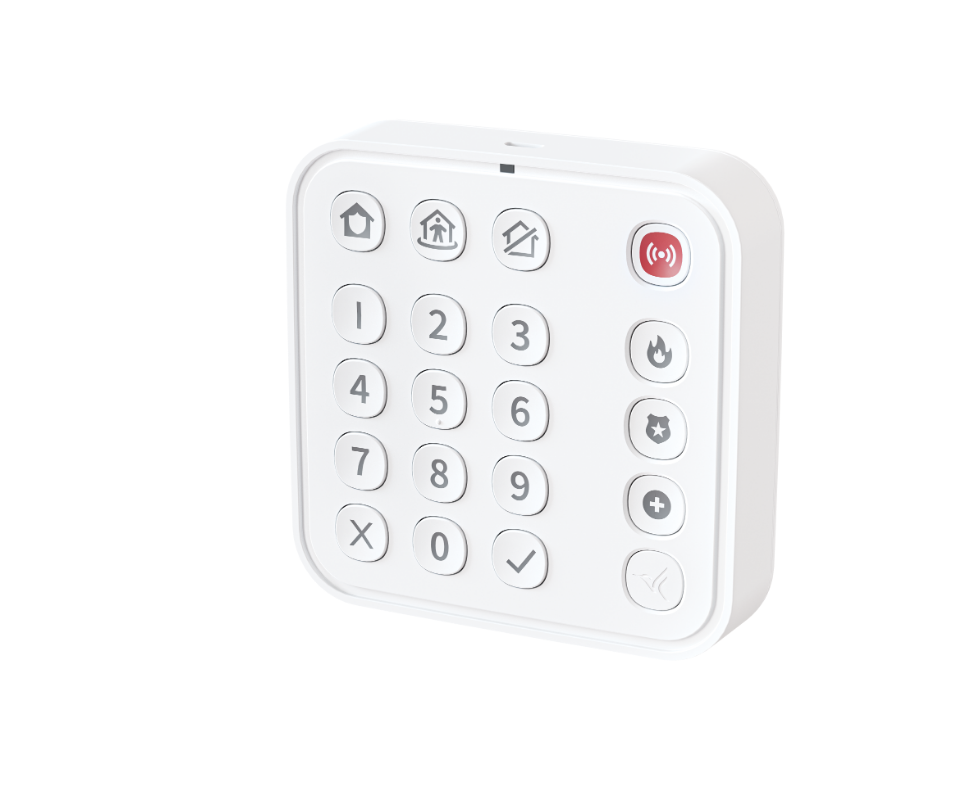
Pairing a security system from Arlo with renter’s insurance can help you breathe easy, knowing your belongings are protected.
When you rent your home, your landlord’s insurance typically covers the building, but not your personal belongings. That’s where renters insurance comes in. Arlo knows that protection is about more than just locks and alarms: it’s about peace of mind. While security systems help stop break-ins before they happen, renters insurance provides peace of mind when the unexpected occurs.
What is renters insurance?
Renters insurance is a policy designed to protect tenants who live in apartments, condos, or rental homes. It provides financial protection against losses caused by theft, fire, vandalism, water damage, or other unexpected events.
Unlike a landlord’s insurance policy, which covers the physical structure of the property, renters insurance focuses on you: your belongings, your liability, and your ability to recover after an incident.
Think of it as a personal safety net that ensures you’re not left paying out of pocket if something goes wrong. Whether a kitchen fire damages your furniture or your laptop is stolen while you’re out, renters insurance helps you bounce back quickly.
What does renters insurance cover?
Renters insurance is typically made up of three main components:
1. Personal property coverage
This covers the cost of repairing or replacing your belongings if they’re damaged or stolen. That includes:
- Furniture, clothing, and electronics
- Jewelry or collectibles (up to certain limits)
- Items stolen from your car or while traveling
Most policies protect against risks like theft, fire, vandalism, smoke, and water damage (excluding floods or earthquakes unless you add extra coverage).
2. Liability coverage
If someone is injured in your rental, for example, slipping on a wet floor, renters insurance can help pay for medical expenses or legal fees. It also covers accidental damage you might cause to someone else’s property, like a leak from your apartment affecting a downstairs neighbor.
3. Additional living expenses (ALE)
If your home becomes uninhabitable due to a covered event, ALE helps pay for temporary housing, meals, or transportation while repairs are being made.
Together, these protections ensure that no matter what life throws your way, you’re not left unprotected.